
Is it Safe to Travel to Iceland?
Yes, it is safe to visit Iceland. Despite the occasional volcanic eruption, Iceland is considered one of the safest countries in the world. With low crime rates and few violent crimes, the country has topped the Global Peace Index 14 years in a row.
However, as with any travel destination, there are certain things you should keep in mind when traveling—mostly related to the untamed Icelandic nature. In this article, I’ll list the main things you should pay attention to on your visit, as well as include some travel tips.
The first tip is to book with a reputable travel agency such as Traveo. On a custom tour with Traveo, your itinerary will be created by a local travel expert who will be on hand throughout your visit. Our experts live in this country and will know first-hand if your travel plans will need to be altered due to factors such as the weather or a volcanic eruption.
Iceland’s Volcanoes & Seismic Activity
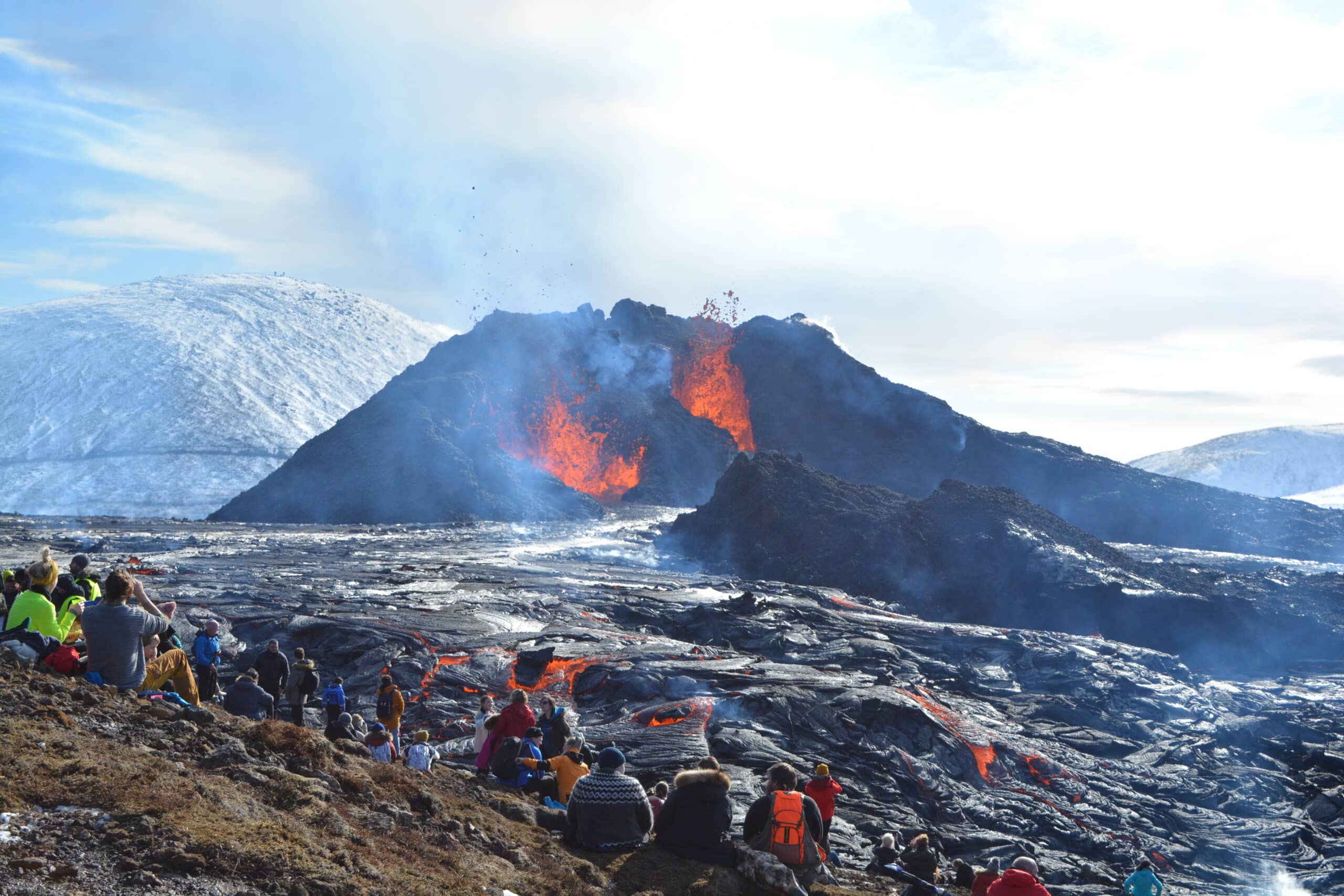
Iceland is located on the Mid-Atlantic Ridge, which separates the North American and the Eurasian tectonic plates. It is also located on a hotspot, an exceptionally hot region in the Earth’s mantle. Both of these factors lead to this country’s seismic and volcanic activity, as well as its stunning nature, like black sand beaches and hexagonal basalt cliffs.
But how will the country’s volcanoes or earthquakes affect your travel plans? Usually, they don’t. Iceland has over 30 active volcanic systems, and the vast majority are located in the Highlands or other uninhabited regions. So when one of those erupts, it has no effect on people’s lives.
However, there are a handful of volcanoes closer to human habitation. You might have seen footage from a recent eruption on the Reykjanes Peninsula, where the lava flow devoured parts of Grindavík Town. The town had been evacuated months earlier, so no one was in danger.
When you have a country with 30 active volcanic systems, you monitor them all. Iceland has volcano experts watching over each volcano around the clock. They can now predict when one is likely to erupt, and the government can take precautions, such as evacuations, if a volcano shows signs of erupting. And that’s what they did in Grindavík.
In the unlikely event that you are in an area where a volcano is about to erupt, the Icelandic authorities will notify you via SMS text message with instructions on what to do. The cell phone reception in Iceland is very good, so just remember to keep your phone charged. If you’ve booked with Traveo, your personal travel advisor will also contact you to check on you and let you know if your travel plans will need to be altered.
The Latest Volcanic Eruption in Iceland
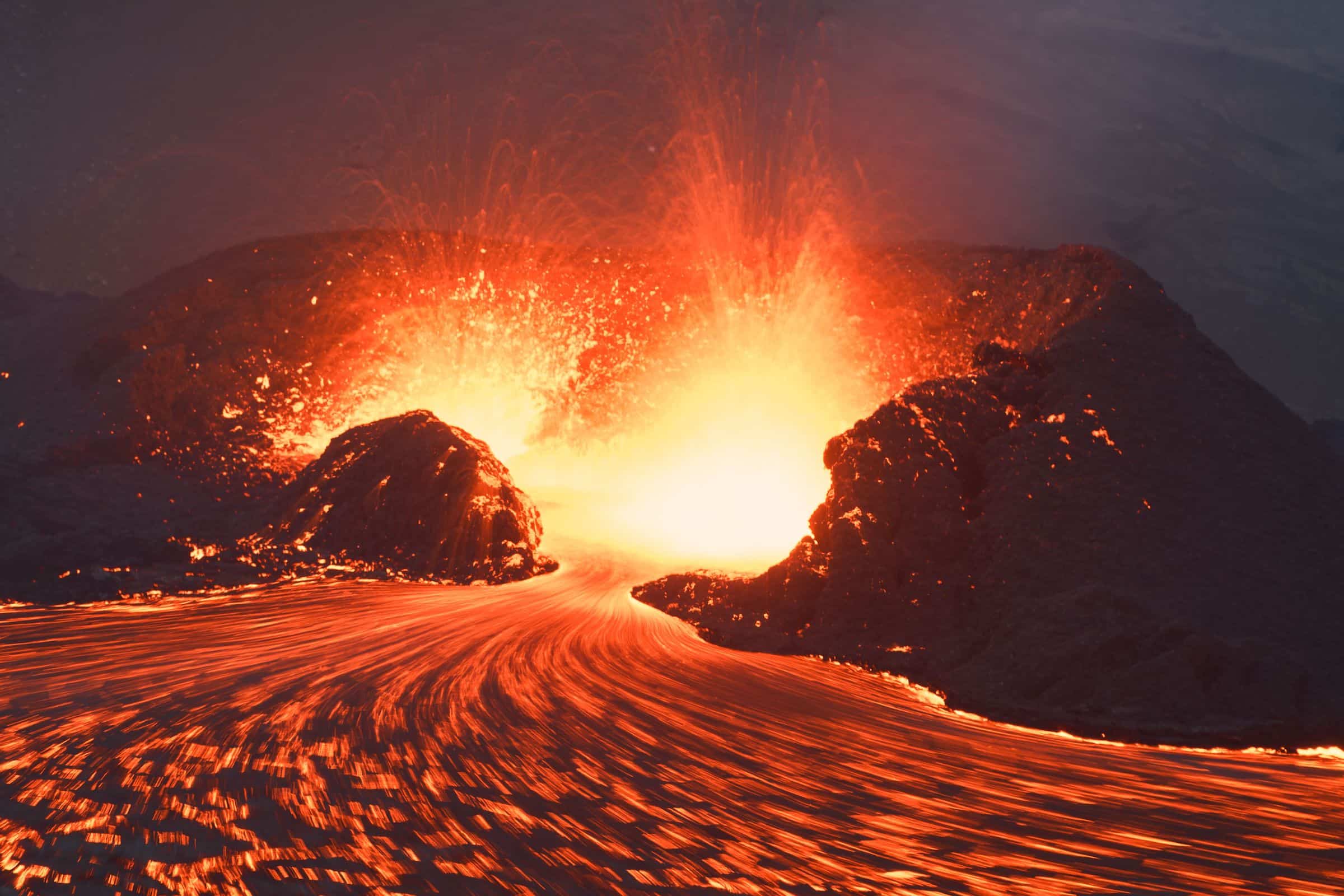
The latest volcanic eruptions have all taken place on the Reykjanes Peninsula in South-West Iceland. The first eruption was in Fagradalsfjall Volcano, and subsequent eruptions have been in a nearby area. Collectively, these eruptions are known as the Reykjanes Fires.
The latest eruption began on March 16th, 2024, at around 8:20 PM. At the time of writing, it is still erupting.
Is the Blue Lagoon Open?
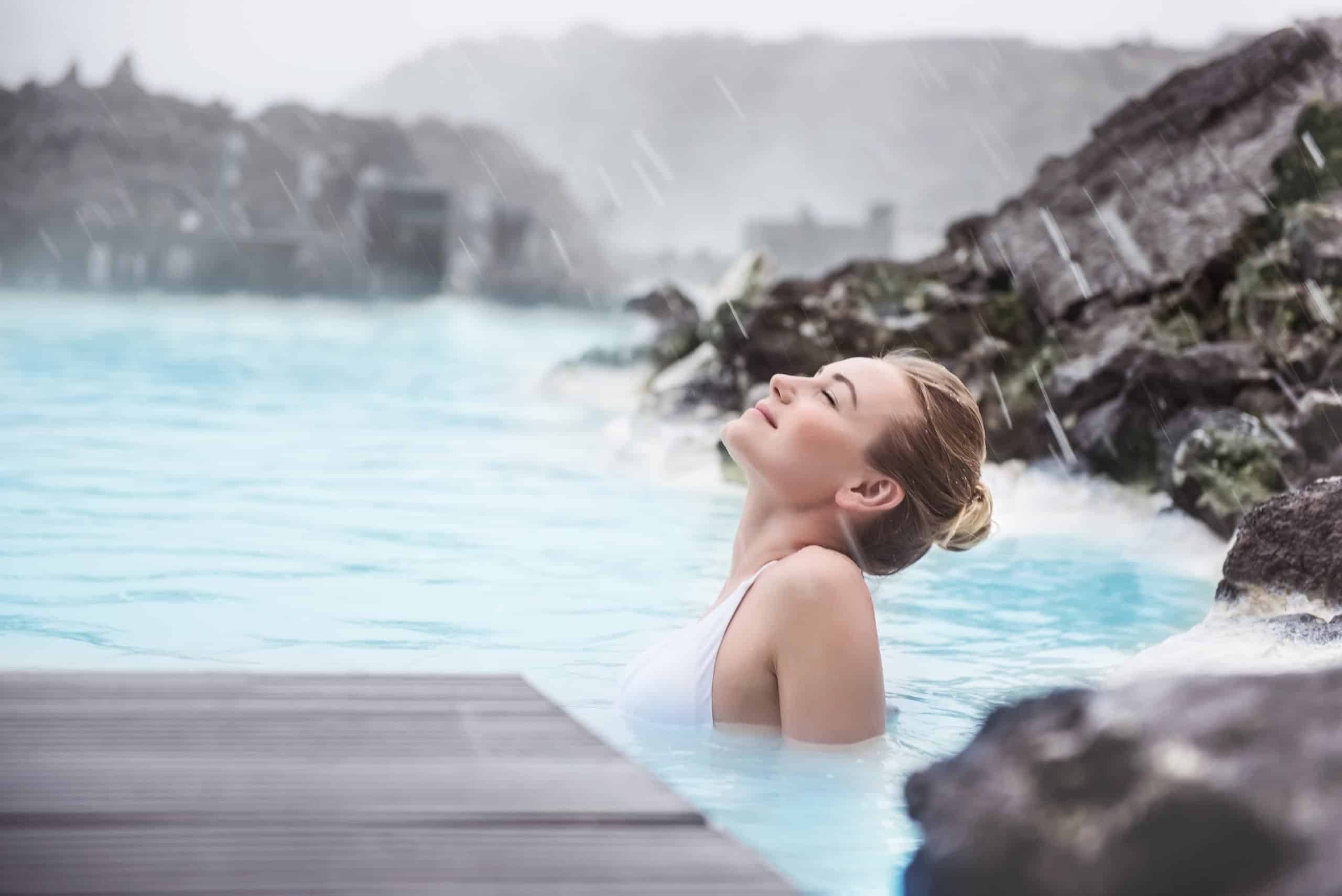
No. As a precaution, the Blue Lagoon was evacuated when the eruption began.
Of course, Traveo will assist all of its clients in getting refunds and booking new activities, such as the Sky Lagoon or the Secret Lagoon. If you’ve booked on your own, you’d have to contact the lagoon personally.
Have Flights Been Canceled?
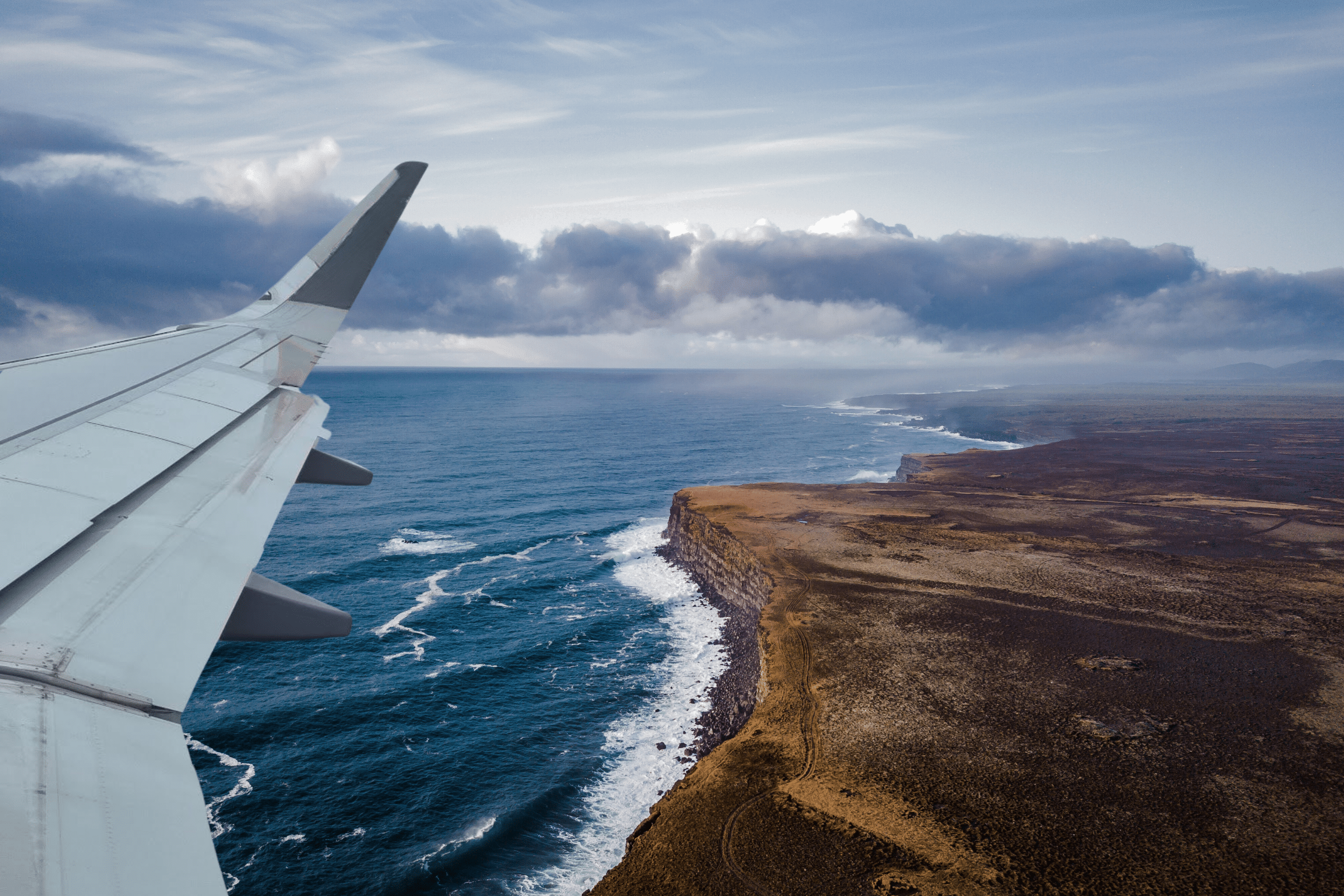
No. The Reykjanes Fires have not had any effect on air travel, and Keflavík International Airport remains open.
Different volcanoes produce different types of eruptions. The eruptions on the Reykjanes Peninsula have been effusive, meaning there has been slow and steady lava flow out of the ground and no ash clouds that can affect air travel.
In 2010, an eruption of Eyjafjallajökull Volcano caused major disruption to European air traffic. The volcano produced a massive ash cloud that could reduce visibility for visual navigation and wreak havoc on the plane’s engine. Unlike the Reykjanes Volcano, Eyjafjallajökull is covered by a glacier, and it was the interplay of hot and cold that created this massive ash plume.
Earthquakes in Iceland
Iceland’s position between two tectonic plates means that earthquakes are frequent. Thankfully, most of the shakes are so small they can only be detected with seismic measuring equipment. The tectonic boundary here is divergent, meaning the plates are moving apart as opposed to crashing into each other. This results in smaller earthquakes than in areas with continental collisions.
In the rare cases a larger earthquake hits, there is still no need to panic. Buildings in Iceland are made to withstand even large earthquakes. However, you should be aware of things falling off shelves and loose bookcases. When possible, go outside. If you can’t do that, stand in a doorway or take shelter under something sturdy, like a table. If you’re driving, stop the car. Be wary of new cracks in the ground, and stay away if you spot one.
Most earthquakes last only a few seconds, so you might not have time to react. It will be over before you know it, as you can see in the video above.
Natural Attractions
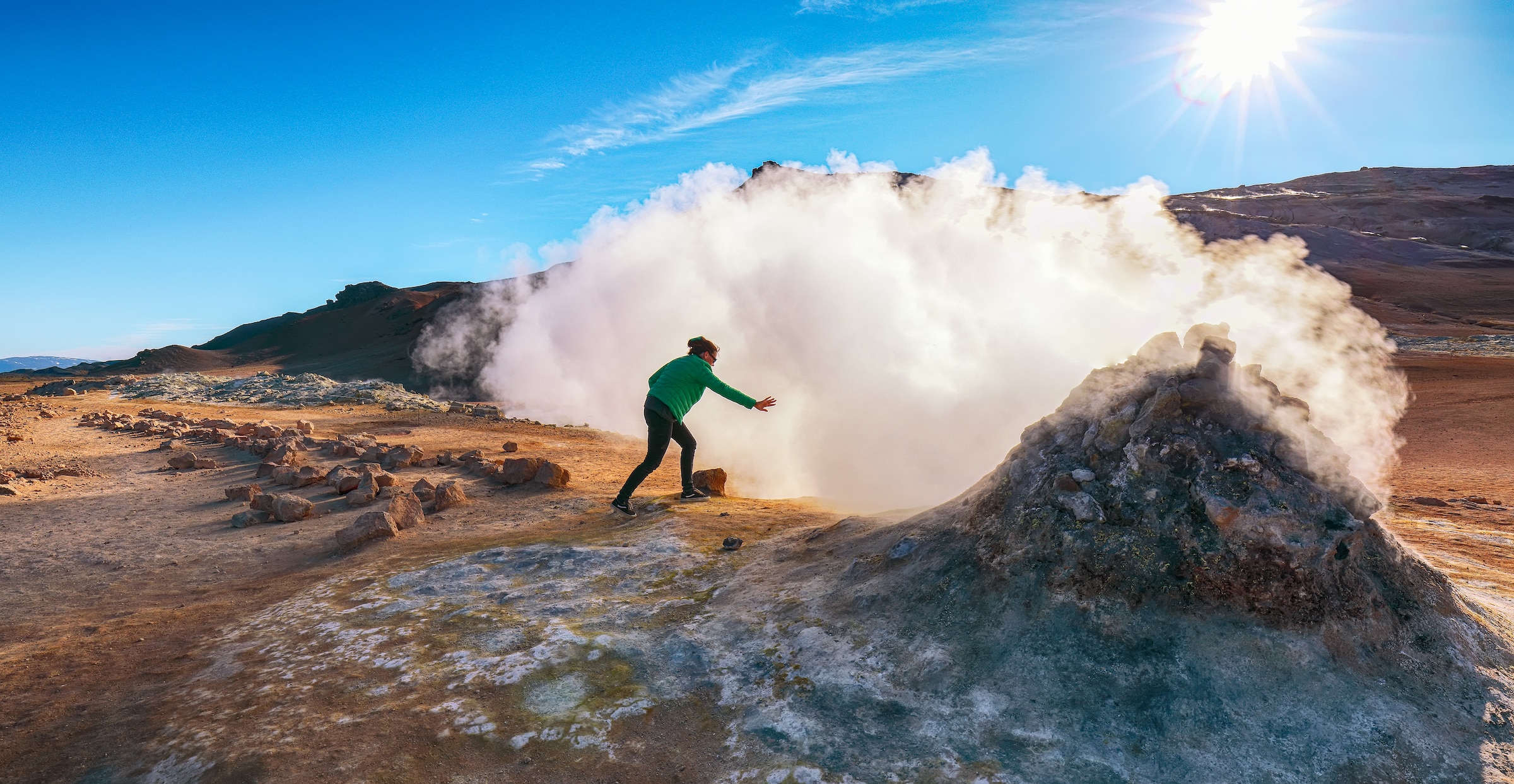
Though volcanoes sound like they should be the most dangerous thing in Iceland, they aren’t. The most dangerous thing is not respecting or underestimating Mother Nature. The best way to be safe in Iceland is to use common sense: keep your eyes open, stay on marked paths, and pay attention to warnings.
Pay Attention to Your Surroundings
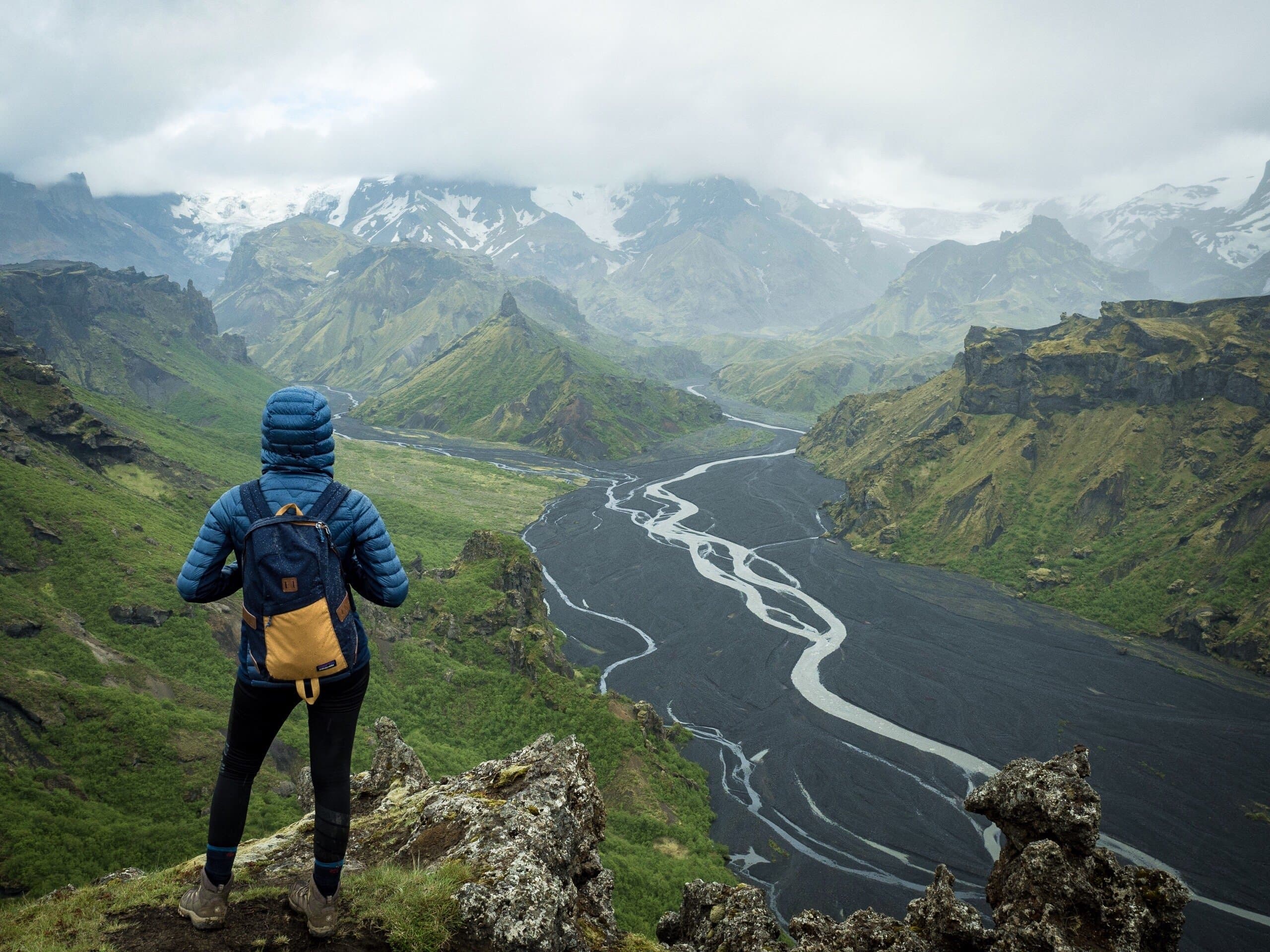
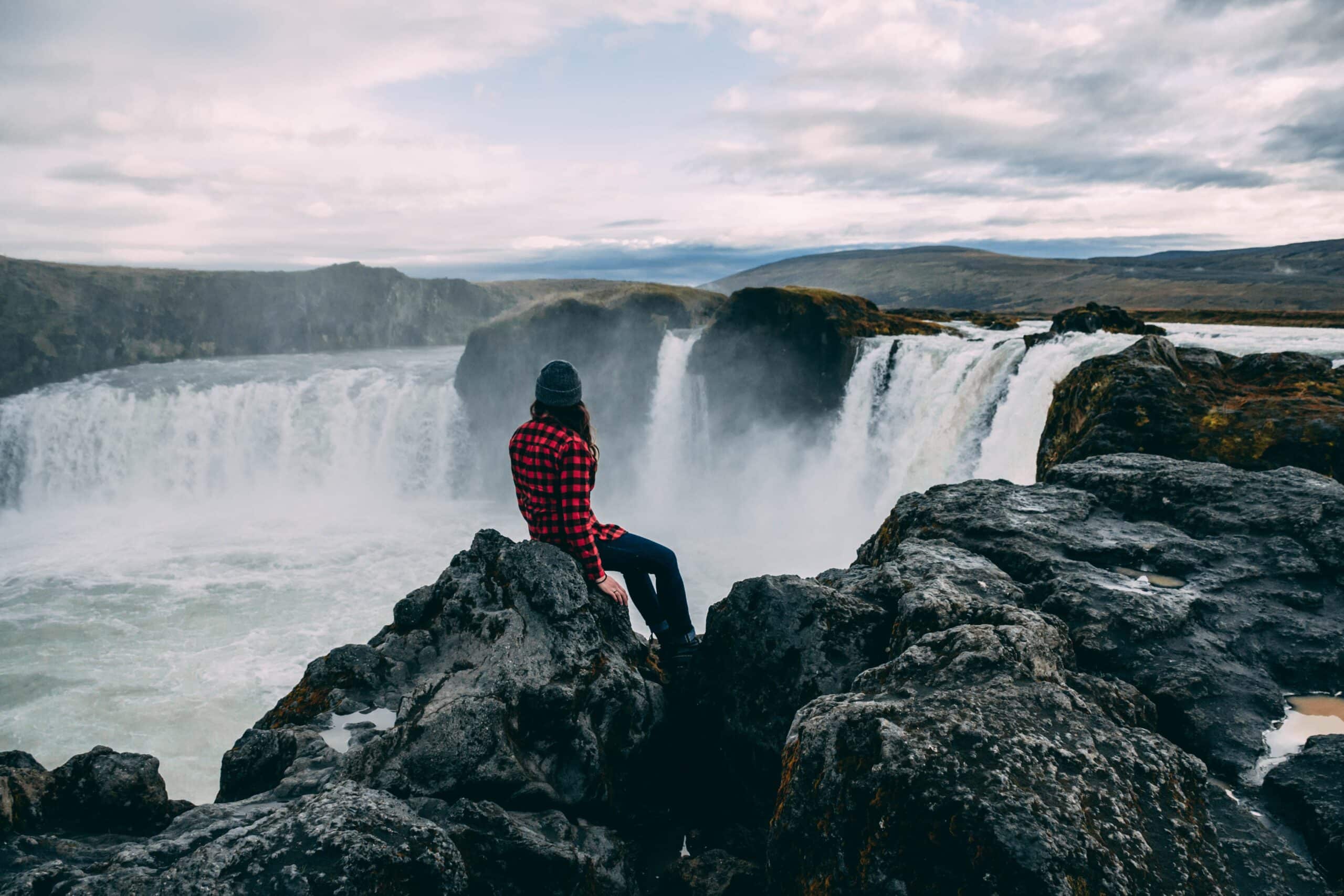
Iceland is known for its beautiful, untouched nature. This doesn’t just mean that you’re going to get amazing photos; it also means that in many places, there are no guard rails or specialized viewing platforms. Many of these places have warning signs telling you about the dangers, but not all do.
So you’ll have to watch your step and make sure you don’t go too close to the edge of that massive cliff.
Don’t Ignore the Signs
When there is a warning sign, make sure you actually heed the warning. This seems like obvious advice, but many people don’t follow it. Reynisfjara Black Sand Beach and Djúpalónssandur Beach both have clear signs warning people about sneaker waves. These are huge waves that reach further up the beach than the previous ones, thus sneaking up on people who get too close to the ocean. They can easily sweep a person into the sea, and rescue isn’t always possible.
Another example of warnings being ignored is at Jökulsárlón Glacier Lagoon. Here are signs asking people not to climb on the icebergs. You might get swept out onto the sea or fall in. As it should be obvious, the water at the lagoon is freezing, and if you fall in, you not only risk hypothermia, but you might get trapped under the moving bergs.
You should also stay on marked paths and inside marked safety zones. There might be deep crevices hidden in that mossy field or a boiling hot spring.
See if You Need a Guide

Do not do activities you’re not trained for without a professional guide. If you’re unsure if you need a guide, you probably need one.
Iceland is one of the best places in the world to avoid crowds and lose yourself in nature. But you don’t want to get so lost that the Icelandic Search and Rescue Services will have to be called out to find you. So, if you don’t know the route—be it on a hiking tour or a self-drive tour—you’d be better off getting a guide.
Things like glacier hiking and ice caving always require a trained glacier guide. Do not attempt to scale a glacier on your own. You most likely don’t have the equipment needed, and even if you did, you don’t know the landscape.
Glaciers are ever-changing, and trained glacier guides explore them every day, documenting any new crevices or any other changes they see. On a glacier hiking or ice-caving tour, you’ll be accompanied by a trained guide who’ll give you all the necessary equipment.
Dress Well & Read What’s Involved
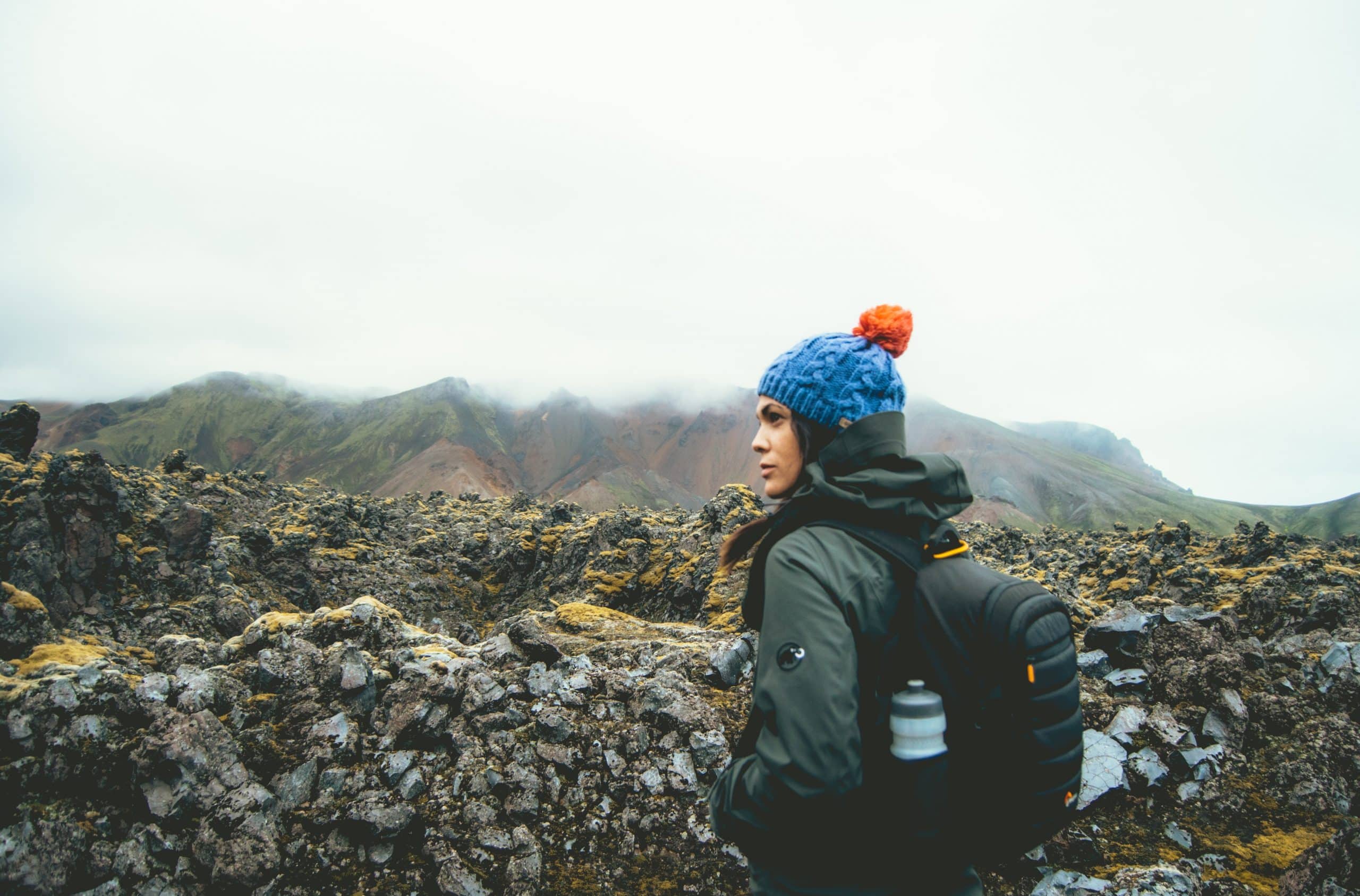
Listen, the country is called Iceland. It’s going to be cold. Sure, we’ve all seen that picture of green Iceland and icy Greenland. But that doesn’t mean it can’t be cold here. The country is located just below the Arctic Circle and gets icy in the winter.
It can even be quite cold in the summer. The average temperature in Iceland in the summer is 50-55°F (10-13 °C). So make sure you pack warm clothes, no matter when you are visiting.
Think about the things you are going to be doing when visiting, do a little research, and pack accordingly. It doesn’t have to be a lot of research. If you book a tour, make sure you read about what you should bring. I was once about to go on a glacier hiking tour, and a woman showed up wearing strappy sandals instead of warm boots. She was sent away.
Also, notice any other requirements needed for the tour. Is the tour physically demanding? Do you need a driving license? Is there an age limit? My friend is a snorkeling guide in Silfra Fissure, which is located on the Golden Circle route. He has had to turn many people away because they’ve shown up for a snorkeling tour and didn’t realize they need to know how to swim.
Weather Safety
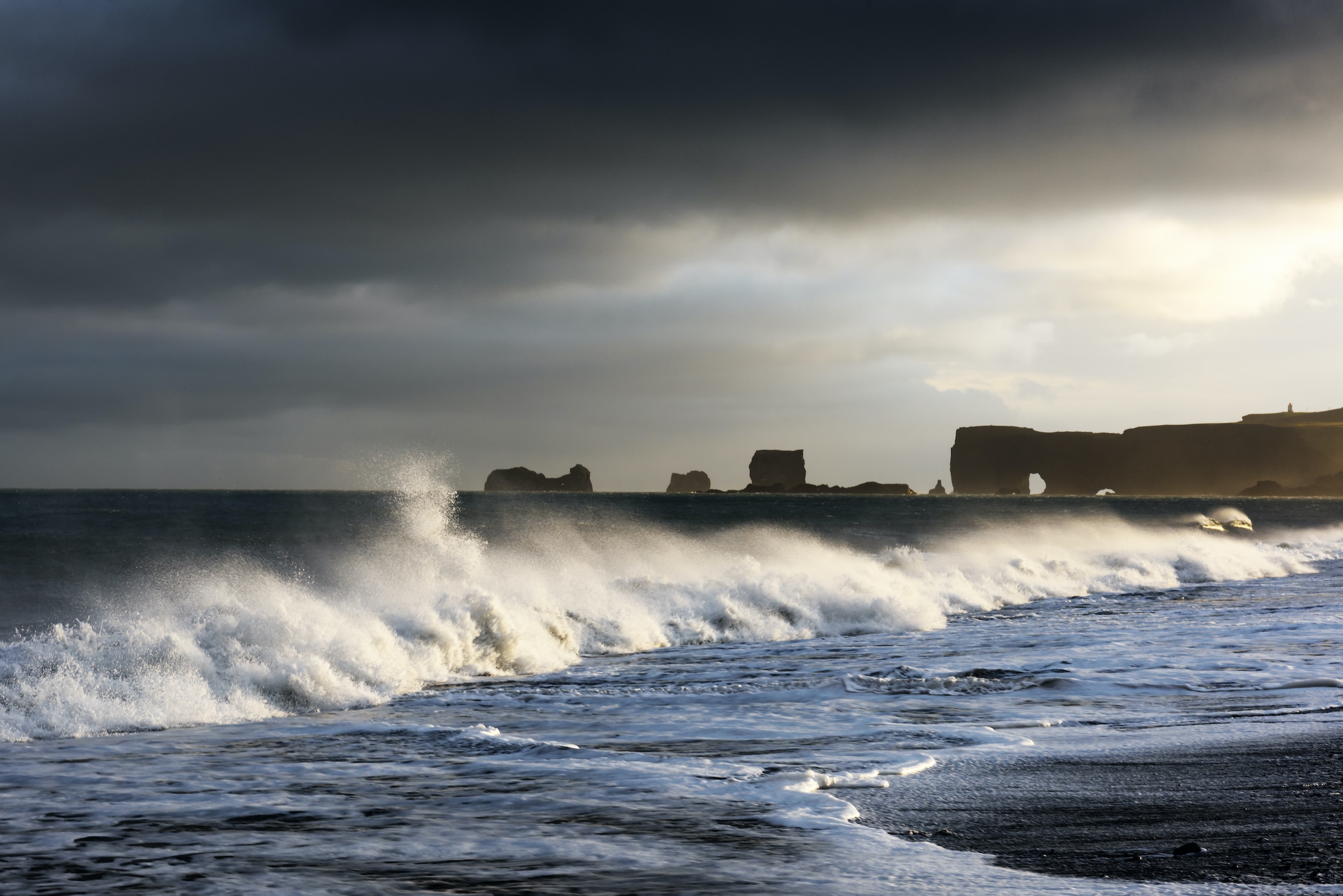
The Icelandic weather can be unpredictable, especially in the wintertime. To make sure you’ll have a fantastic time, always check the weather forecast before heading out on any outdoor activities. Weather conditions can change rapidly, so it’s important to be prepared for all eventualities.
Aside from affecting road conditions (more on that in the chapter below), the weather can affect any outdoor activity you plan. You don’t want to be caught in a snowstorm on a long hiking trail or attempt to climb a mountain in strong winds. The volatile weather isn’t restricted to just winter; summer storms also happen occasionally.
And speaking of summer: remember your sunblock and sunglasses! Iceland might not be known for its hot weather, but we do get sun here sometimes. People have been known to get sunburnt, especially on glacier hikes, when the sun’s rays are reflected in the ice. For the winter, you might not need your SPF, but sunglasses are a good way to combat the low sunlight during that time.
Road Travel Safety in Iceland
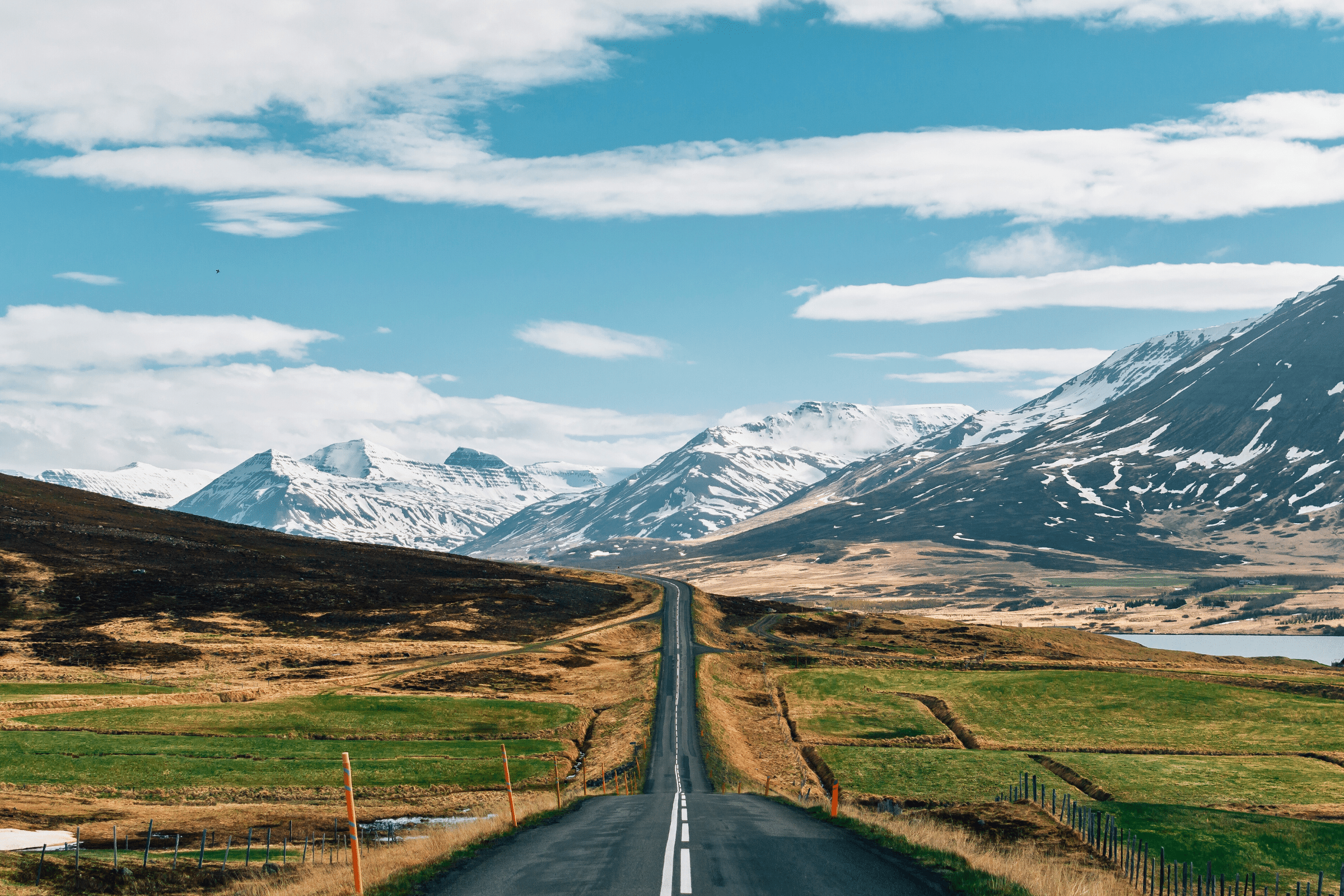
It goes without saying that if you’re doing a road trip in Iceland, you should obey the local traffic laws, such as driving under the speed limit and parking only at designated spots. But what you should also remember is that Icelandic roads might not be what you’re used to. So extra precautions should be taken.
Only around half of the roads in the countryside are paved; the rest are gravel roads. And the paved roads can often be narrow, rocky, wet, or filled with sand and ash. This is also why the speed limit in Iceland is lower than in other countries. Aside from making it hard to drive, these road conditions can damage your car, which can cost you a pretty penny if you don’t have the right car insurance.
Before you head out, visit SafeTravel for information about road conditions and closures. If you drive on a closed road, you are not only risking your life but also the lives of the Search and Rescue workers of Iceland.
Weather on the Road
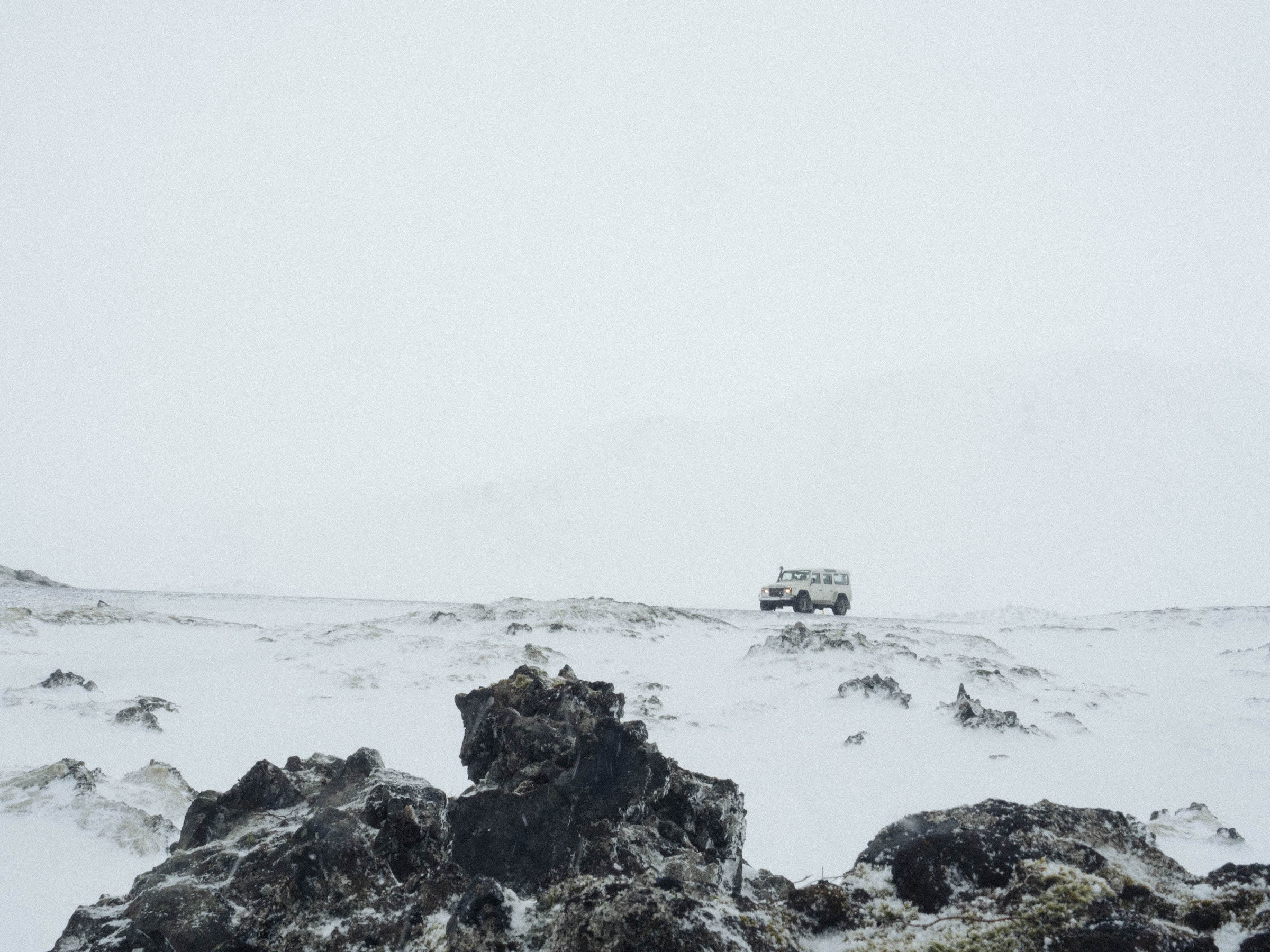
I might sound like an old record, but paying attention to the weather forecast can save you some money and even save your life. Snow can damage the car’s undercarriage, and strong winds can blow loose gravel or stones onto your car. But you could also accidentally bury your car in a snowbank, slip on an icy road, or have strong winds blow you off the road.
I hope this hasn’t frightened you too much. Driving in Iceland is actually easy if you practice common sense. Just obey the traffic rules, take the weather into consideration, don’t drive on closed roads or off-road, drive slowly, and wear your seatbelt. If you still aren’t comfortable with driving, you can always opt for a guided tour.
Crime in Iceland
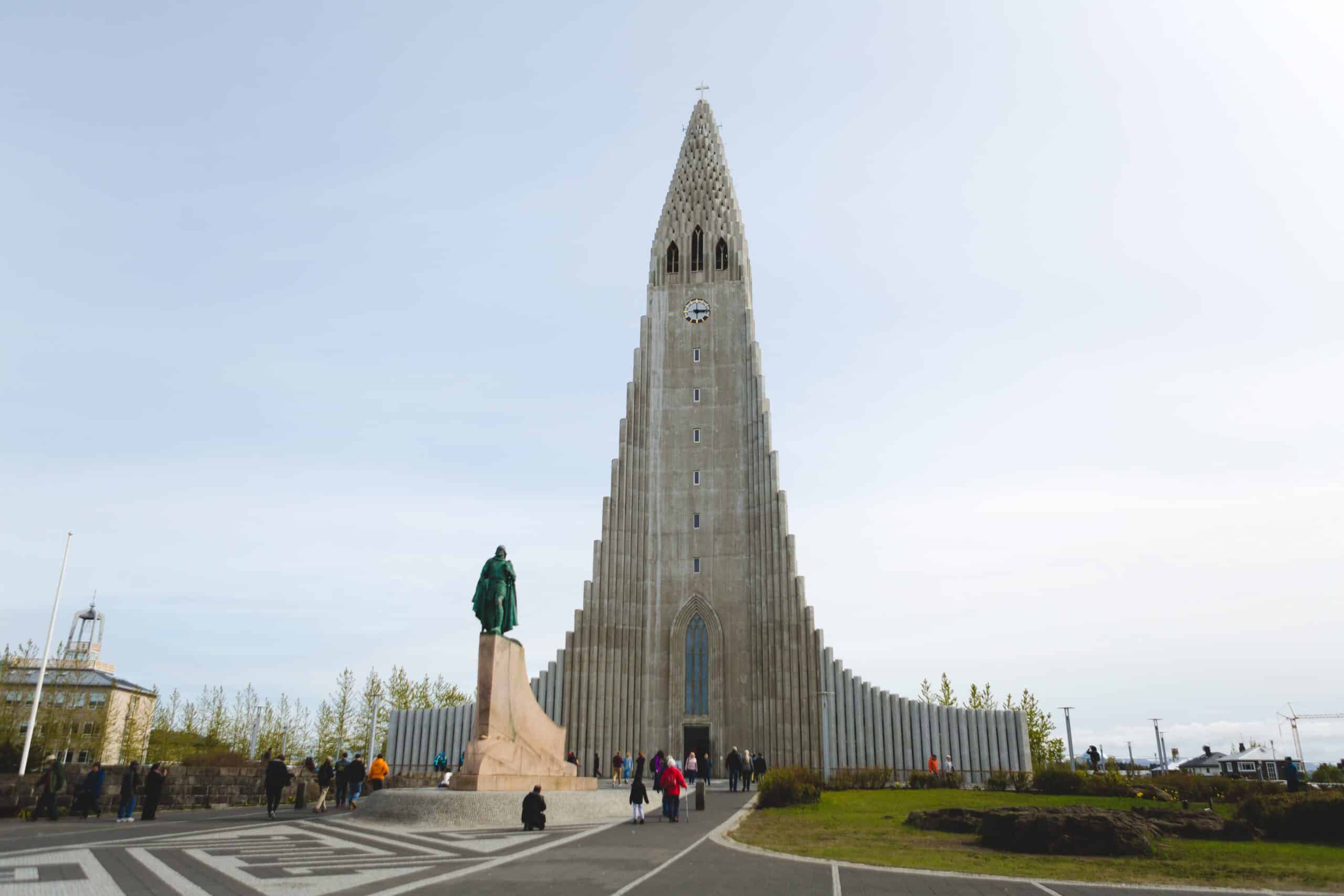
Iceland has one of the lowest crime rates in the world, and its capital city, Reykjavík, is considered one of the safest cities in the world. However, like any destination, the country isn’t entirely immune to criminal activities.
While violent crimes aren’t common here, petty crimes, such as theft, might be something you should be aware of. This is particularly true if you have a rental car since thieves sometimes target them when left unattended. So make sure you don’t leave any valuables visible in your car when you go look at that beautiful waterfall.
Safety as a Solo or Female Traveler in Iceland
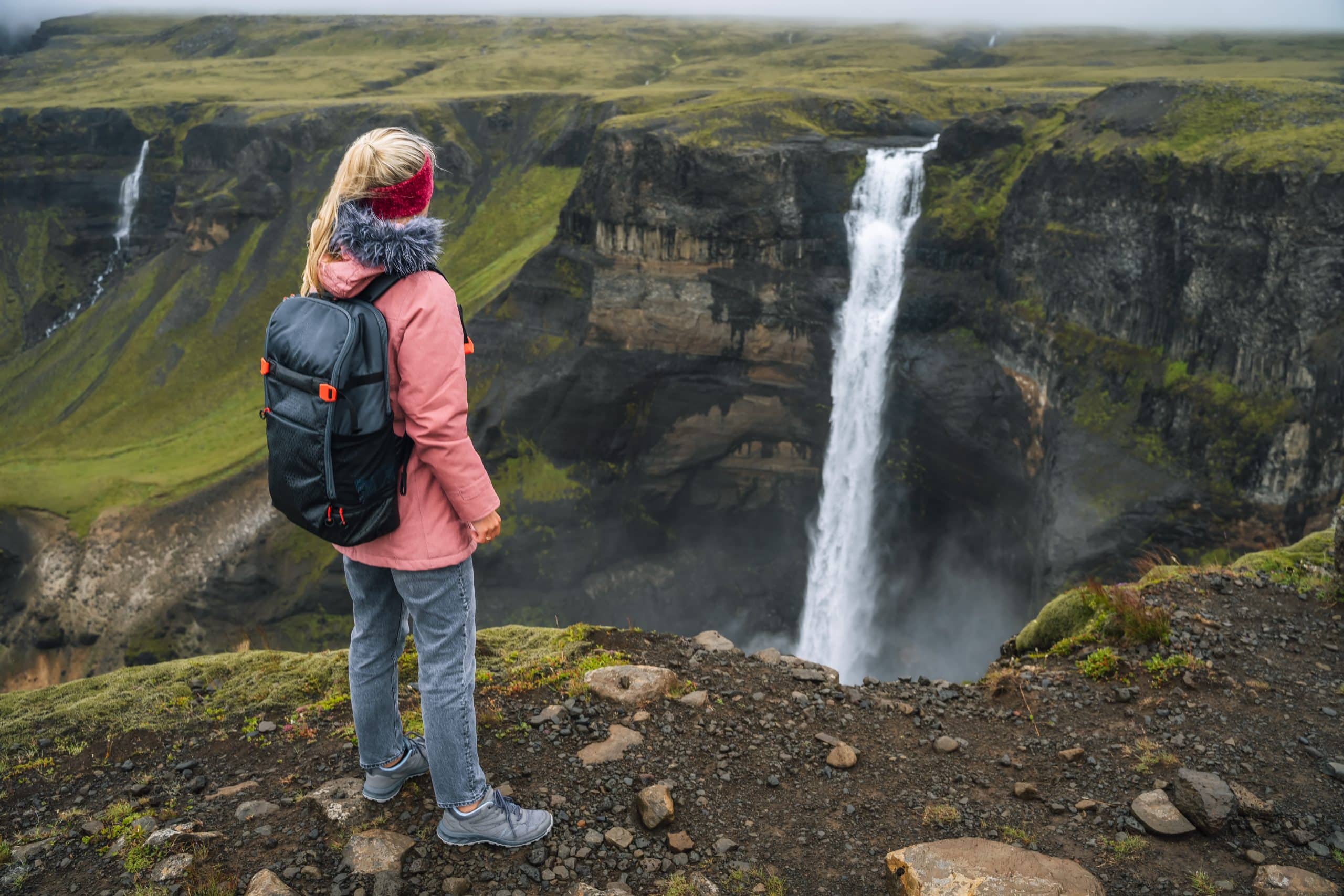
As stated, Iceland has low crime rates and is generally considered very safe compared to many other destinations, and this is especially true for solo, female, and non-binary travelers. Of course, there are always some precautions travelers should take.
Personally, I’ve never been particularly frightened walking down the streets of Reykjavík at night. During weeknights, the streets of Laugavegur — downtown Reykjavík’s main street — are pretty quiet, while it can get a little rowdy on the weekends. However, most people just leave you alone if you want them to.
But if you are traveling alone and you’re looking for company, the country is full of friendly people willing to chat with you. And most of them are found inside bars, be it in Reykjavík or other larger towns.
As with other destinations, avoid leaving drinks unattended at bars. However, if you suspect something isn’t right with your drink or you feel otherwise unsafe, you can go to a bartender and ask for help. Bars and restaurants are very adamant about preventing sexual assault and violence.
Safe Travel in Iceland – Summary
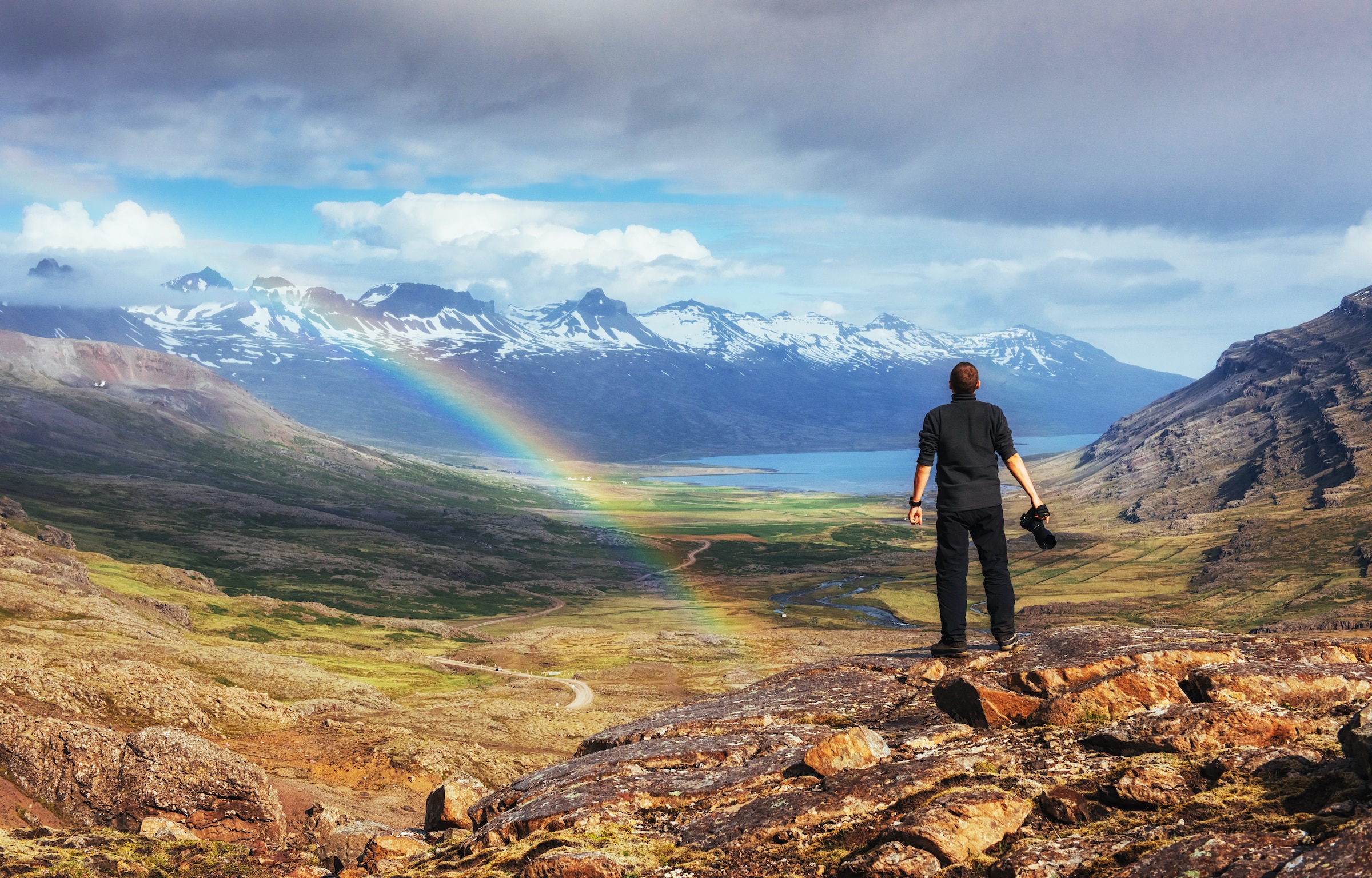
Iceland is a safe country. It consistently ranks at the top of the Global Peace Index as the most peaceful country in the world. With low crime rates, few violent crimes, gender equality, and friendly people, it is the perfect place for solo and female visitors. And anybody else, for that matter.
Iceland does have volcanoes, and footage from the latest eruptions does look scary. However, most volcanoes are far from major cities, meaning that when they erupt, they have little to no effect on people.
When it comes to safe travel in Iceland, you shouldn’t worry about crime or volcanoes. What does compromise people’s safety is not using common sense and not respecting nature.
Here are some travel tips to keep you safe:
Don’t
- Don’t go to closed-off areas
- Don’t do activities you’re not trained for without a guide
- Don’t drive too fast
- Don’t drive off-road
Do:
- Pay attention to your surroundings
- Dress in layers
- Check the weather forecast and road conditions before heading out.
- Drive carefully and obey the speed limit
- Listen to your guide
Safe Travels!